



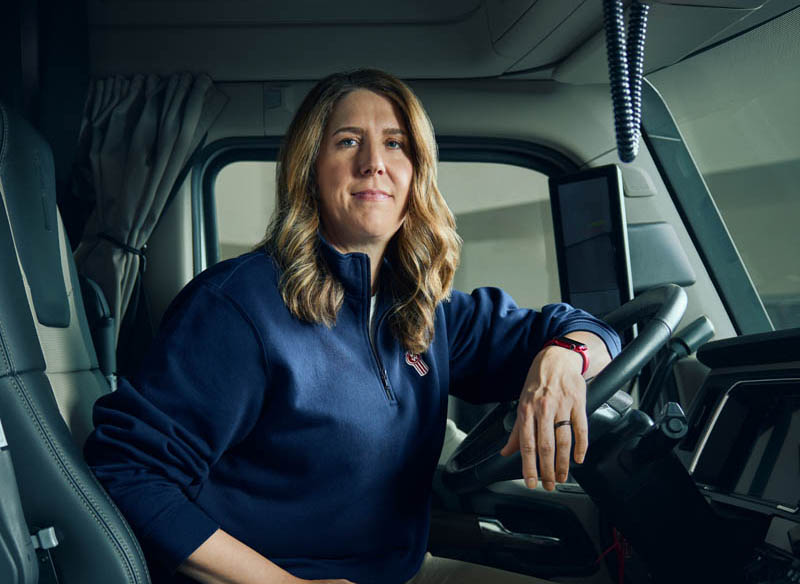
Innovation inside a truck plant doesn’t just happen on the assembly line. It’s driven by leaders who understand every part of the operation – from the people building the trucks to the customers who rely on them every day.
Few people understand that line of thinking better than Melanie Shaff, assistant plant manager at Kenworth Truck Company’s Renton manufacturing facility. After nearly three decades with PACCAR, Melanie has built a career spanning human resources, production, logistics, customer experience and field service. She intentionally pursued a diverse career path, with a passion for taking on new challenges.

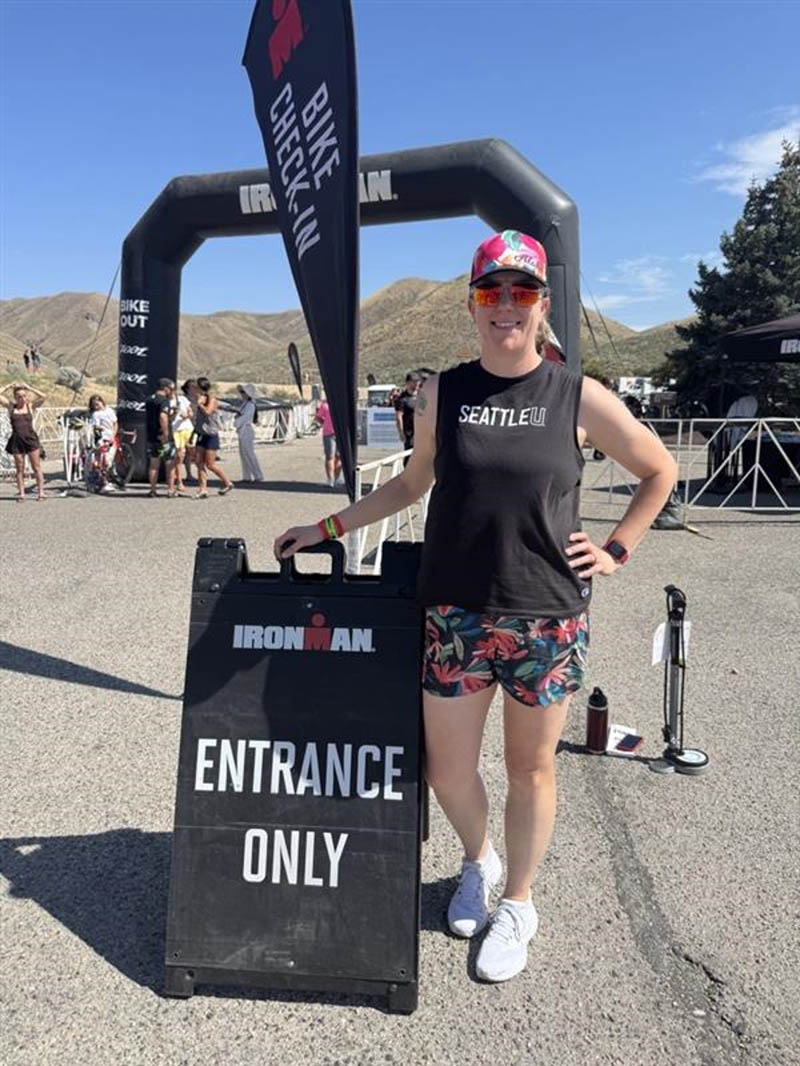
An outdoor enthusiast, Melanie enjoys a variety of activities, including snowshoeing.
Today, she helps oversee the people and processes responsible for building The World’s Best trucks that keep freight – and the broader economy – moving.
For Melanie, experiencing new roles and new places is standard protocol. As the daughter of a military service member, she spent much of her childhood moving around the western United States before eventually landing in Seattle and attending Seattle University.
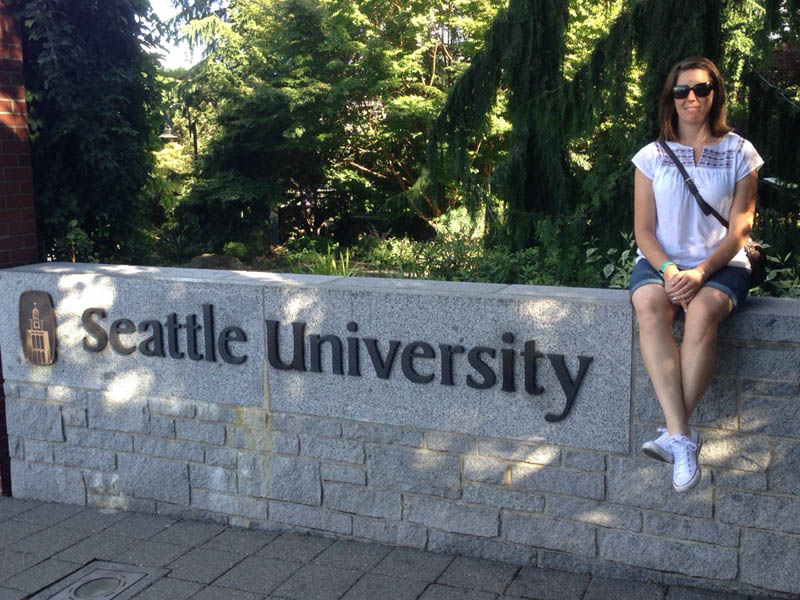
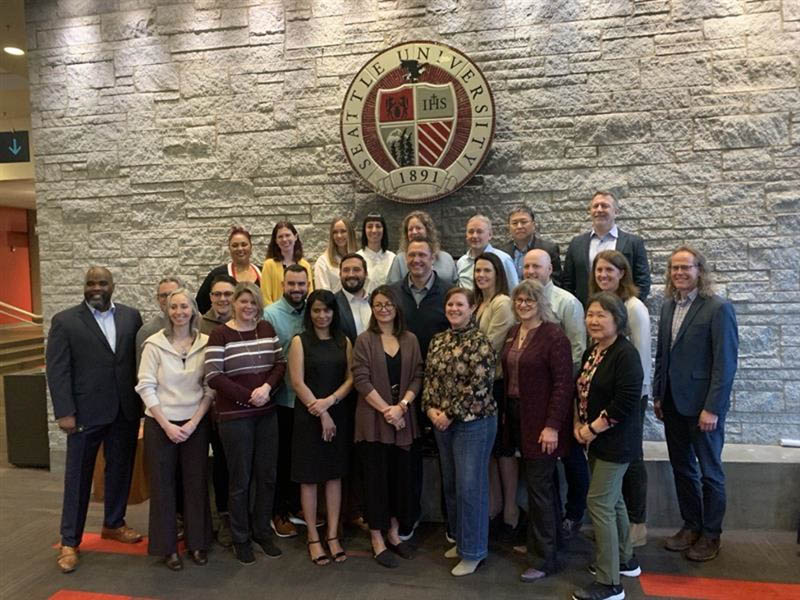
A proud Seattle University alumna, Melanie earned her undergraduate degree, returned for an MBA in Operations Management, and later completed an Executive Leadership Program.
Her alma mater would remain a constant throughout her career. Melanie earned her undergraduate degree there, later returned for her MBA, and eventually completed an executive leadership program to continue building her skills alongside the career she was shaping. When she graduated with her bachelor’s degree, she knew she wanted to stay in the Seattle area and work for a company that produced something meaningful. Her search led her to PACCAR’s corporate office in Bellevue, where she began her career in human resources.
“When I graduated, I knew I wanted to work for a company making something that mattered to the economy,” she said. “PACCAR stood out right away. The trucks we build play such a critical role in everyday life, and that really resonated with me. It’s rewarding to be part of an industry that keeps everything moving.”
From PACCAR Corporate, Melanie transferred into HR at the Kenworth plant in Renton, a move that would ultimately change the direction of her career.
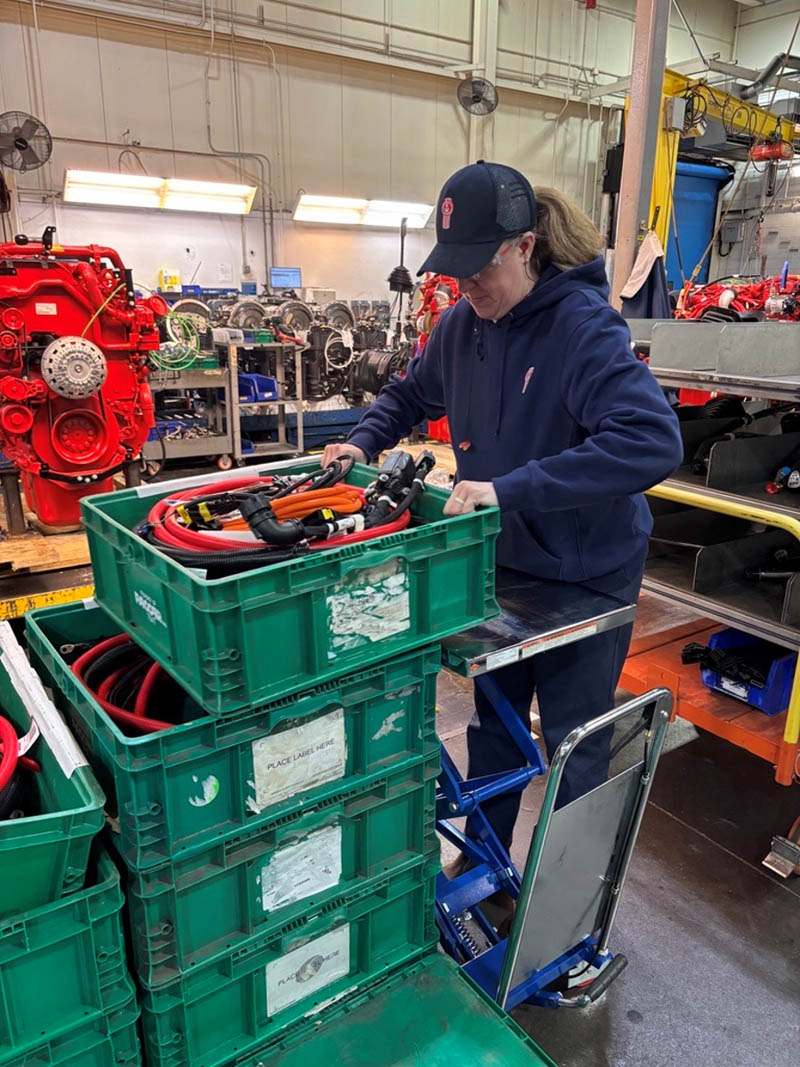
Working closely with employees inside the plant exposed her to the complexity and craftsmanship behind truck manufacturing. The experience sparked a growing interest in the operational side of the business. Before long, she realized she wanted to move out of HR and into production management. Her first role was in the frame department, where every truck build begins.
“I was definitely nervous because I didn’t have a lot of technical knowledge,” she said. “But I knew the people, I was eager to learn, and I was committed to improving the operation.”
When production ramped up at Kenworth’s manufacturing facility in Chillicothe, Ohio, the company needed additional leadership support. Melanie volunteered to relocate, an experience that would significantly expand her operational knowledge.
There, she helped lead production during the launch of the Kenworth T680 in 2012. The T680 marked a major shift for Kenworth, building on the success of its T660 model. With advanced aerodynamics, improved fuel efficiency, and a more driver-focused interior, it represented the company’s move toward technology-driven trucking, and it quickly became Kenworth’s flagship model.
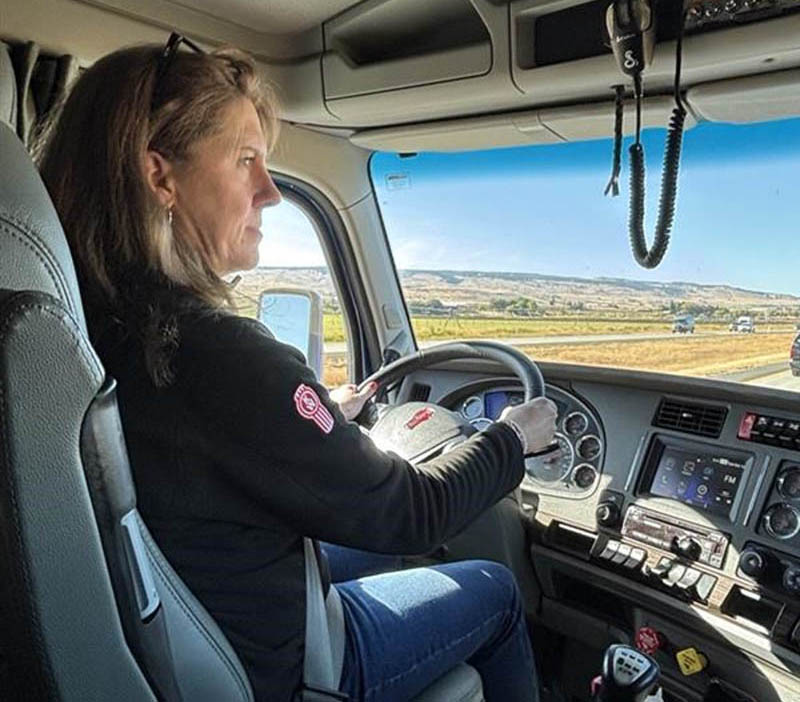
Melanie is a licensed commercial driver, holding a Commercial Driver’s License (CDL).
“Being part of that launch was incredible,” she said. “You could feel how important it was – not just for the plant, but for the entire company. Everyone knew we were building something that would set a new standard.”
Rather than staying in one lane, Melanie continued to take on new challenges, advancing her career through roles in logistics, distribution, and customer-facing functions to build a broad understanding of the business.
After returning to the Seattle area, she moved into PACCAR’s parts division to lead the company’s call center.
During the early days of the COVID-19 pandemic, Melanie and her team at the call center were on the front lines helping dealers track down parts, navigate supply chain disruptions, and keep trucks on the road.
“It was both challenging and rewarding,” she said. “It really underscored how essential this industry is to the economy.”
Within six months on the job, she was promoted to assistant director of customer experience – her first executive leadership role – where she oversaw the full aftermarket experience and strengthened support for dealer partners.
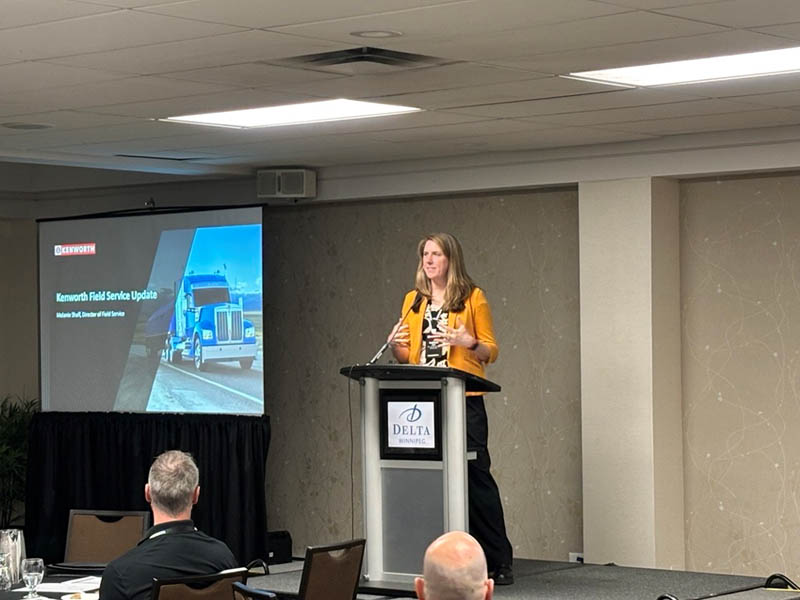
Melanie addresses dealer service managers in her role as director of field service.
After five years, she stepped into the role of director of field service, which would prove to be one of the most demanding and rewarding chapters of her career. In field service, Melanie was directly connected to the real-world performance of trucks and the people who depend on them. The role required balancing technical expertise, customer relationships, and rapid problem-solving in high-pressure situations.
Working closely with customers, Melanie wanted to deepen her understanding even further. So, she got her commercial driver’s license.
“Earning my CDL wasn’t easy, but it gave me a completely different perspective on what drivers experience every day,” she said. “It’s made me a better leader and given me a whole new appreciation for what happens behind the wheel.”
For Melanie, her desire to take on new roles across a variety of business functions at PACCAR and Kenworth was pivotal in developing a diverse set of leadership skills that ultimately prepared her for her dream job.
After 15 years away from the Renton plant, she finally had the opportunity to return as assistant plant manager.
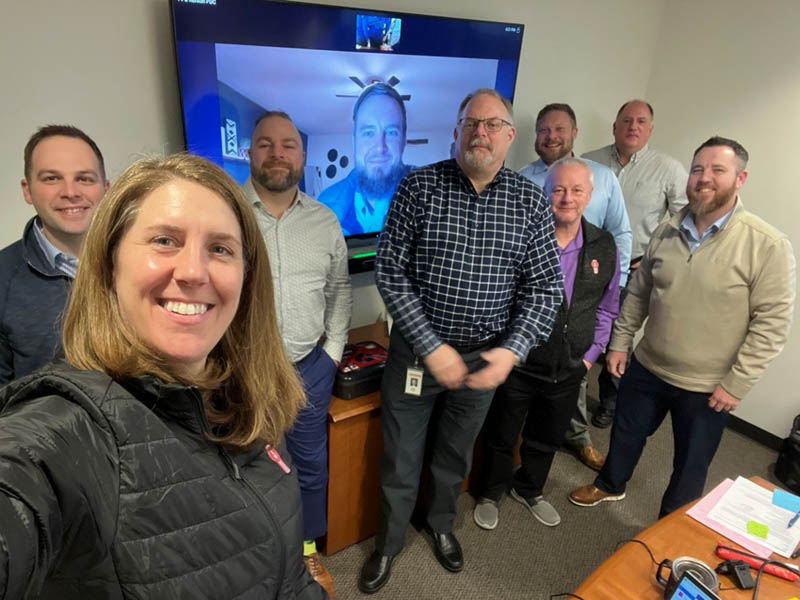
Today, Melanie leads a team responsible for safety, quality, delivery, cost control, and environmental performance inside the plant. She directly oversees five production managers, supports eight assistant production managers, and helps guide the work of roughly 350 truck assemblers.
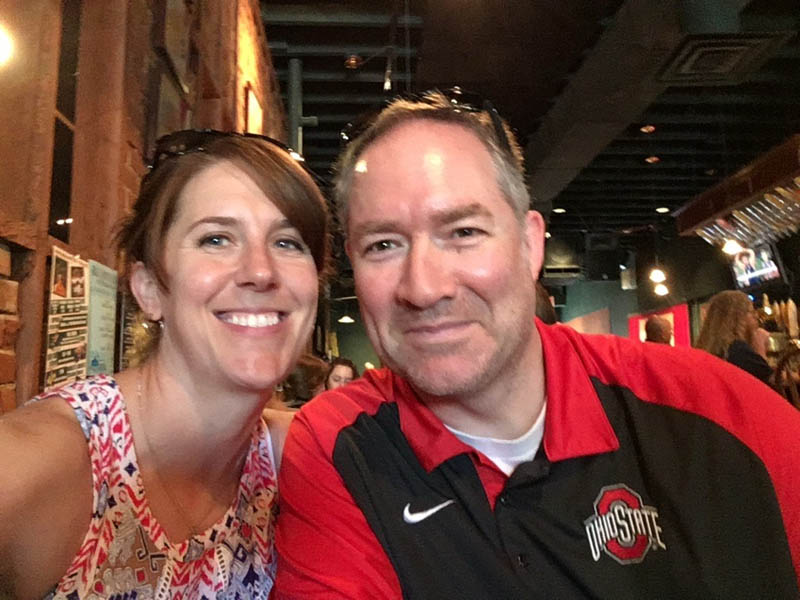 Melanie and her husband

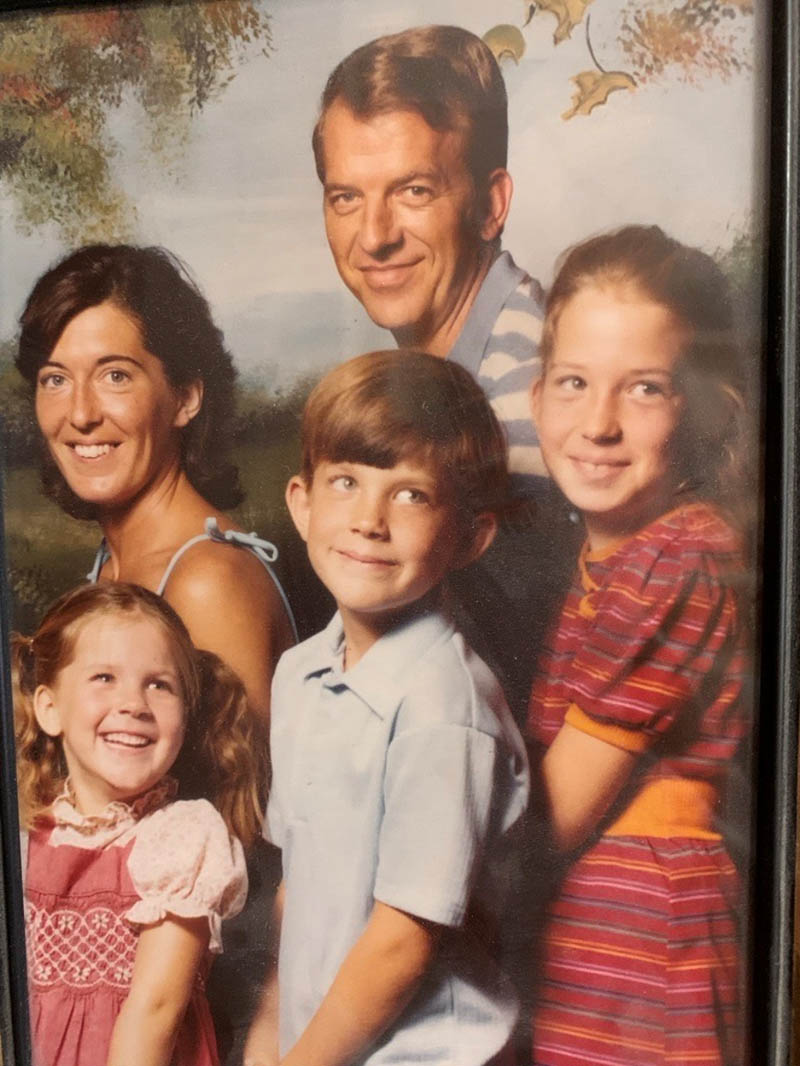
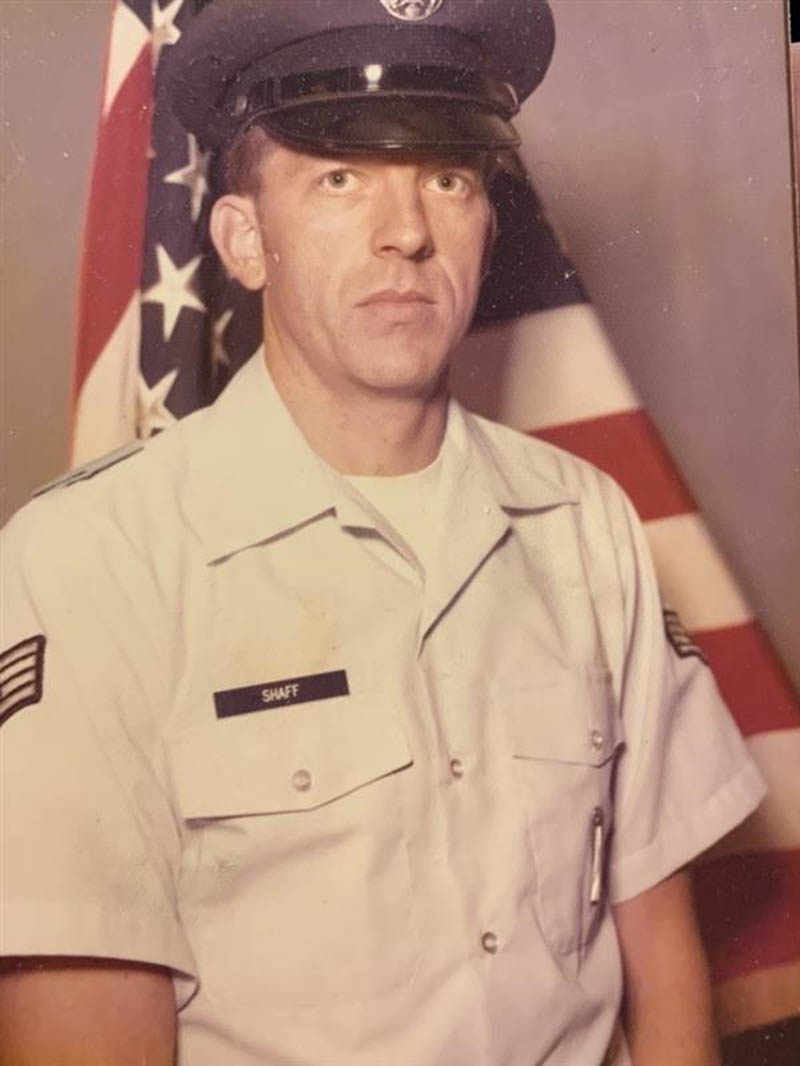
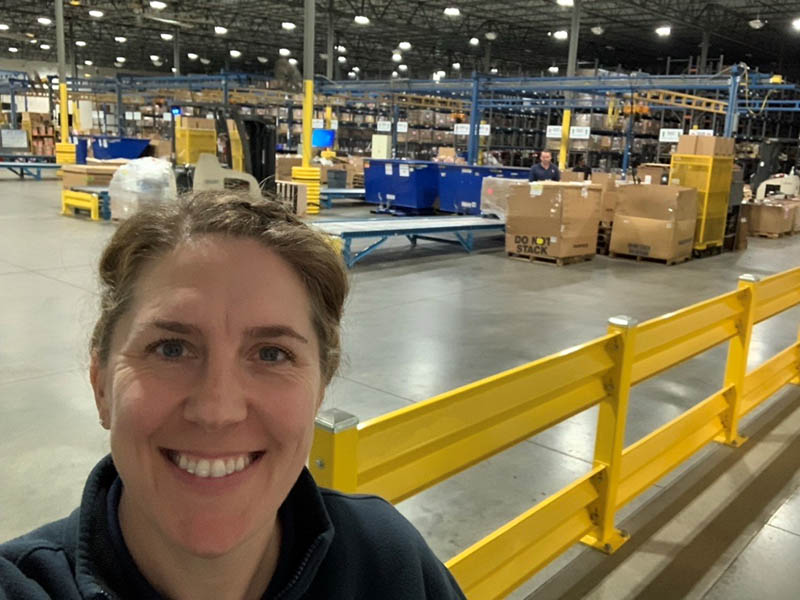
Her leadership philosophy centers on servant leadership, a focus on supporting people first.
“My role is to make sure our people have what they need to succeed,” she said. “That means encouraging ideas, supporting work-life balance, and leading with humility.”
Visitors touring the plant are often surprised by how much craftsmanship goes into building a Kenworth truck.
While many people assume truck manufacturing is completely automated, the process still involves a significant amount of hands-on assembly and customization. The combination of advanced manufacturing technology and skilled craftsmanship is something the workforce takes immense pride in.
“Our employees are the world’s best,” Melanie said. “Our work isn’t just about building trucks. It’s about building the vehicles that keep America moving.”
After 28 years with PACCAR, Melanie takes pride in her career, but what matters most isn’t the title. It’s the people.
“As a leader, watching my team experience professional or personal success is incredibly fulfilling,” she said.
While manufacturing leadership roles have historically been held by men, Melanie believes diverse leadership ultimately leads to stronger and more resilient teams. She takes pride in helping shape the future of manufacturing while encouraging others – especially women – to pursue opportunities they may not initially feel qualified for.
One piece of advice she often shares came from a mentor early in her career: many women hesitate to apply for roles unless they feel they meet nearly every requirement.
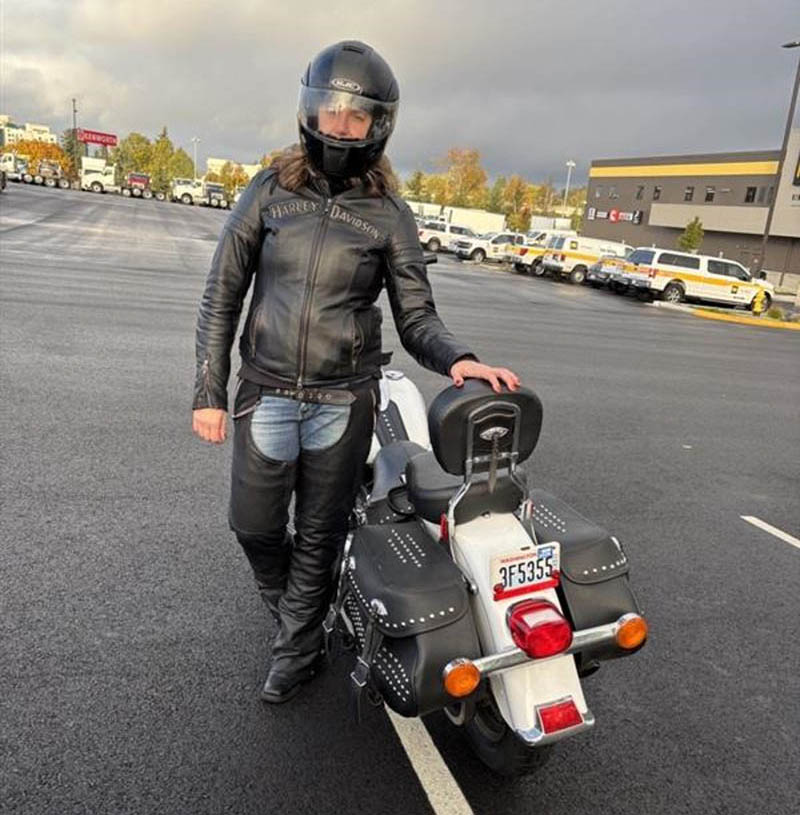
While in field service, Melanie visited local dealers on her Harley-Davidson.
“That mindset can hold you back,” she said. “With focus and determination, you can do anything you want in your career.”
Outside of work, Melanie stays connected to her roots through mentorship programs at Seattle University, helping guide students as they begin their own careers. For Melanie, mentoring is a way to pay forward the support she received throughout her own career.
And if her path is any indication, sometimes all it takes is the right opportunity and the willingness to take a chance to build a career that helps move an entire industry forward.